
Here is the truth nobody tells restaurant owners at culinary school: your customers cannot actually judge your food. Not the way you think. They can't tell a four-hour reduction from a two-hour one. They don't know your knife work from your competitor's. Almost nobody at table nine is a food critic. But they are all critics — of everything else. And that "everything else" is what ends up in your reviews.
1. Consistency: Your Real Signature Dish
One magical plate on Friday. One sloppy plate on Tuesday. Know which one your customer remembers? The sloppy one — because they brought their in-laws to see it. Guests stake their own reputation on your restaurant. Your inconsistency becomes their embarrassment, and embarrassed people don't come back. They also don't stay quiet.
The upgrade: Recipes written like contracts — weights, times, a photo of the finished plate taped at the pass. Every cook, same dish, same result. Taste from the line every service. The restaurants with waiting lists aren't the most creative in town. They're the most predictable. Boring word. Bankable one.
2. Plating: Judged in Three Seconds
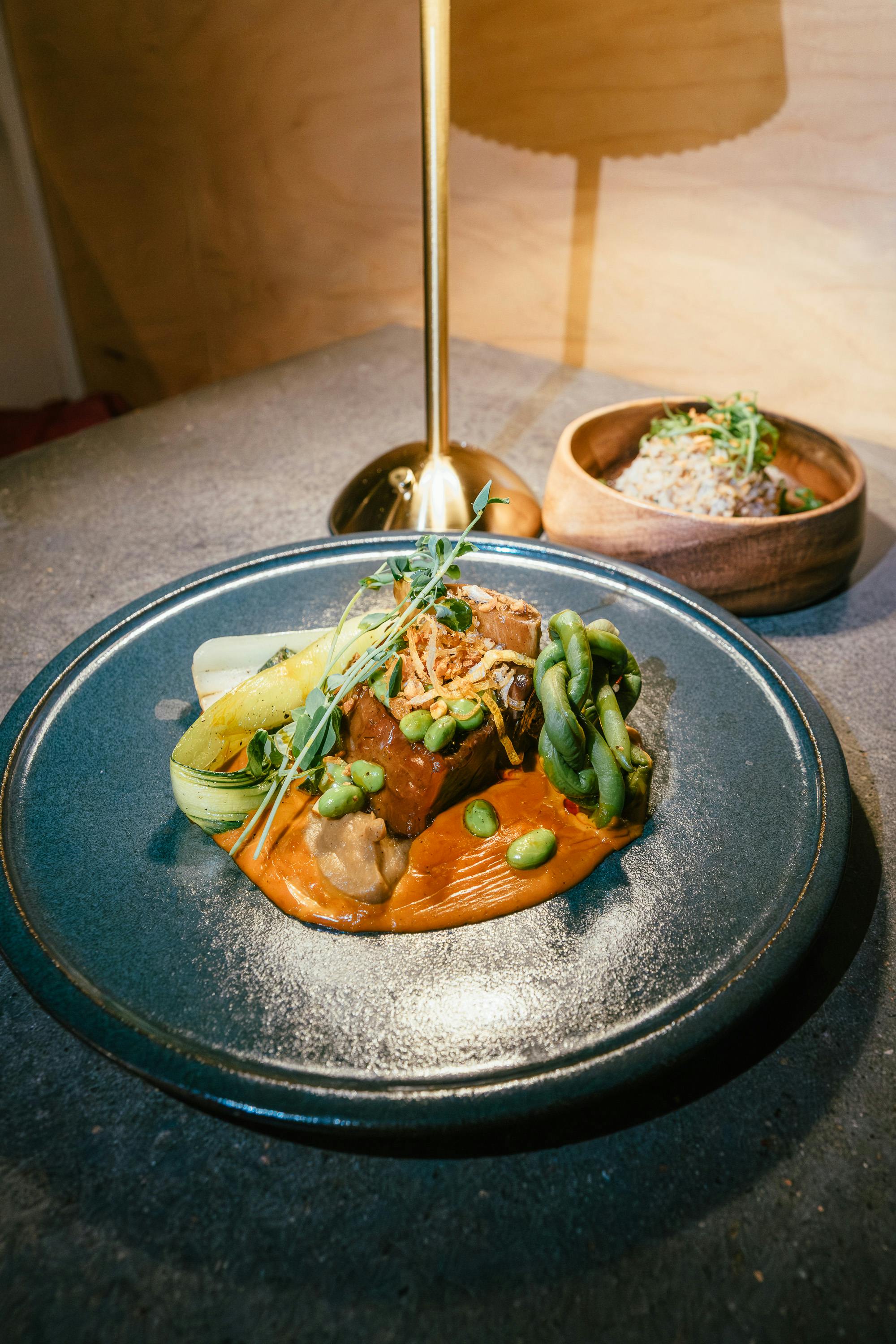
Before the first bite, your dish has already been scored — twice. Once on a phone screen, days earlier. Once in the three seconds between the plate landing and the fork moving. A messy rim reads as a messy kitchen. Fair? No. True? Completely.
The upgrade: Height. Contrast. A wiped rim — four seconds that double the perceived value of a plate. One confident swipe of sauce, not a constellation of nervous dots. And here's the part owners miss: beautiful plates get photographed, and customer photos are advertising you didn't pay for. The trendy place across town isn't feeding Instagram. Its plating is.
3. Hygiene Signals: The Review Before the Review
Your guests will never see your kitchen. So they audit what they can see: the menu's stickiness. The glass held up to the light. The toilets. The waiter's nails. One grubby menu can delete a perfect main course from memory. Cleanliness is mentioned in reviews constantly — it silently multiplies every star you earn, or divides it.
The upgrade: Run the dining room like a stage under permanent review. Toilets checked hourly, on a signed rota. Menus wiped daily, reprinted before they shame you. Hands, nails and uniforms inspected at shift start the way a head chef inspects a station — because your guests are inspecting them too.

4. Speed: It's Not the Wait, It's the Silence
Twenty-five minutes with communication feels shorter than fifteen minutes of being ignored. Customers rarely rage about minutes. They rage about feeling forgotten.
The upgrade: Acknowledge every table within sixty seconds. Give an honest time, then beat it by two minutes. Running late? Send a taste from the kitchen and a human update — the complaint evaporates and often turns into praise for "great service." And audit your menu for the two or three dishes that gridlock the kitchen at 8 p.m. A tighter menu, executed fast, makes more money than a long menu executed in a panic. Every chef knows it. Every marketer agrees.
5. Menu Psychology: You're Designing Choices, Not Listing Dishes
Your menu is a sales tool most restaurants design by accident. Eyes land top-right first. Long, sensory descriptions raise what people will happily pay. One expensive "anchor" dish quietly makes everything under it look reasonable.
The upgrade: Put your high-margin, high-delight dishes where eyes go first. Write them like food, not inventory — slow-braised, wood-fired, hand-cut. Photograph only your best-looking plates; one beautiful photo outsells ten average ones. Then compare your menu with the busiest competitor nearby. Theirs is rarely longer than yours. It's smarter.

6. The Last Five Minutes Write the Review
Ask any professional reviewer where a review is really decided. Not the starter. Not the main. The ending.
The upgrade: Build a closing ritual. The bill arrives promptly when asked. Thanks are real, not scripted. And every disappointment gets caught at the table — not discovered on Google tomorrow morning, where you can't fix it and everyone can read it. Restaurants that master the ending watch their ratings climb before their food changes at all. Memory keeps the last thing it felt. Make the last thing good.
Quality Nobody Sees Is Quality Nobody Pays For
Now the uncomfortable part. Perfect every upgrade above — consistency, plating, hygiene, speed, menu, endings — and a weaker competitor can still out-earn you. Because quality only turns into money when strangers can find it and see proof of it: reviews that mention your consistency, photos that show your plating, a presence that looks as cared-for online as your dining room does in person. That online proof takes weekly work most owners simply don't have spare hours for. If you'd rather a team grew that side — profile setup and backlinks, social media growth and engagement, careful review management — while you make these upgrades where they belong, message us on WhatsApp. Tell us your restaurant's name and city. We'll study your presence and your nearest competitor's, and tell you plainly where your biggest gains are hiding.
Comments
Post a Comment